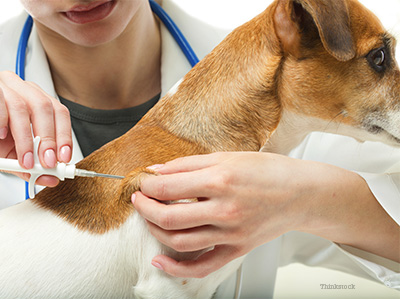
Microchipping has become one of the most effective ways to protect pets and improve the chances of a safe reunion if they become lost. Unlike collars and tags, which can fall off or become damaged, microchips provide a permanent form of identification that remains with the animal for life. As awareness grows among pet owners, dog microchips continue to be recognized as an essential investment in responsible pet ownership.
A microchip is a tiny electronic device, about the size of a grain of rice, that is implanted just beneath a pet’s skin, usually between the shoulder blades. The procedure is quick, minimally invasive, and can often be completed during a routine veterinary visit. Once implanted, the microchip contains a unique identification number that can be scanned by veterinarians, animal shelters, and rescue organizations.
One of the greatest benefits of dog microchips is their ability to reunite lost pets with their owners. Dogs are naturally curious and may wander away from home through an open gate or during a walk. If a dog without identification is found, it can be difficult to locate the owner. A registered microchip allows authorities to access the owner’s contact details quickly, significantly increasing the likelihood of a successful reunion.
Unlike traditional identification tags, microchips cannot be removed or accidentally lost. Collars may break or slip off during play or travel, leaving a pet without visible identification. A microchip remains securely implanted, providing a dependable backup even if external identification is missing.
Microchipping also offers peace of mind for pet owners who travel frequently. Whether relocating to a new city or taking a pet abroad, many countries and transportation providers recommend or require microchip identification. Having dog microchips properly registered can simplify travel documentation and ensure compliance with local regulations.
Another important advantage is the support microchips provide to animal shelters and rescue organizations. Every year, thousands of stray animals are brought to shelters without any visible means of identification. A simple scan can reveal ownership information, allowing staff to contact families quickly and reduce the amount of time pets spend in temporary care.
While microchips are highly effective, they work best when registration details remain current. Pet owners should update their contact information whenever they move or change phone numbers. An outdated registration can make it difficult to reconnect with a lost pet, even if the microchip is functioning properly.
Microchipping is also a cost-effective safety measure. The implantation is typically a one-time procedure with no battery or maintenance requirements. Considering the emotional and financial costs of losing a beloved companion, many owners view microchipping as a valuable long-term investment.
In conclusion, dog microchips provide a reliable, permanent, and secure method of identifying pets. They increase the chances of recovering lost animals, support shelters and veterinary professionals, and offer reassurance to owners who want to protect their furry family members. Combined with a collar, identification tag, and responsible supervision, microchipping forms an important part of a comprehensive pet safety strategy, helping ensure that dogs have the best possible chance of finding their way home if they ever become separated from their owners.